Introduction
Water poured slowly over the shoulders feels different from a shower. It is cooler, for one thing. It moves at its own pace. Petals catch in your hair and slide down your arms, and for a few seconds the mind has nothing to do except feel where the water goes. People often go quiet without being asked.
That is the simplest way into a question we hear a lot: what is a spiritual bath? A spiritual bath is a ritual washing with water, usually steeped with flowers and herbs, done with intention or prayer rather than to get clean. Flower baths and limpias are two of the best known forms in Latin America, and both are among the traditions shared at our ceremonial retreats on the Naranjo River in Costa Rica.
This guide explains what they are, where they come from, what usually happens, and how to approach them with care. We will keep it plain. These are spiritual and cultural practices, not medical treatment, and nobody needs to believe anything in particular to find them meaningful.
What is a spiritual bath?
Most cultures have some form of ritual washing. Water marks a threshold: before prayer, after a birth or a death, at the start of something new. A spiritual bath belongs to that very old family of practices.
What makes it "spiritual" is not the water itself but the attention around it. You are not washing off dirt. You are marking a moment, setting something down, or asking for a fresh start. Words, songs or a quiet intention often go with it.
The forms vary a lot. Some baths use only water and salt. Some use a single herb. Many in Latin America use a bowl or bucket of water filled with fresh flowers and leaves, which is where the name flower bath comes from.
Flower baths: what they are
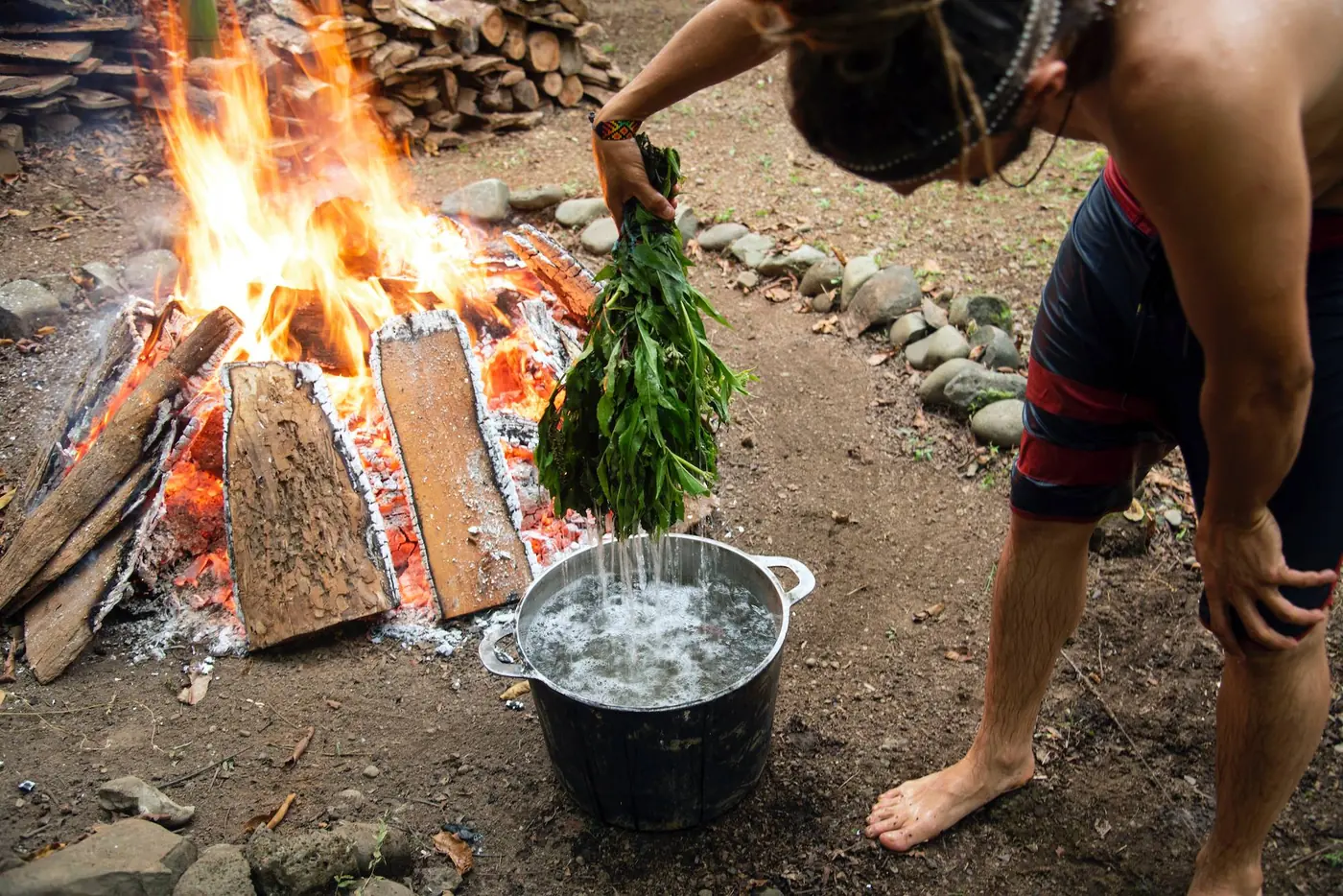
A flower bath is water steeped with fresh flowers and herbs and then poured over the body. Traditions and regions use different plants, and the person preparing the bath usually chooses them with care, sometimes for their scent, sometimes for what they mean in that lineage.
The flowers are often crushed or rubbed gently between the hands in the water, so the scent comes out. The bath is poured slowly, often from the head or shoulders down. In many traditions you are invited to let the water dry on your skin afterwards rather than rinsing it off straight away, though this varies, so it is best to follow the guidance of whoever is leading.
What people notice is usually simple. The smell of the flowers. The temperature of the water. A feeling of being looked after. Some people laugh, some cry a little, many just feel quiet. All of that is normal.
What is a limpia?
Limpia is the Spanish word for a cleansing. In Mexican and wider Latin American traditions, a limpia is a spiritual cleansing carried out by a traditional practitioner, often called a curandera or curandero in Spanish speaking communities.
Limpias take many forms. A bundle of fresh herbs may be brushed or swept over the body. Smoke, prayers, songs, water or flowers may be part of it. In some traditions an egg is passed over the body. The details depend on the lineage and the person leading it, and a limpia from one family of healers can look quite different from another.
The shared idea is letting go: of heaviness, of what you have been carrying, of what no longer belongs to you. A limpia is usually short, and it is often done standing up, with the practitioner moving around you.
How a flower bath and a limpia are different
The two often overlap, and the words are sometimes used loosely. As a rough guide:
- A flower bath centers on water steeped with flowers and herbs, poured over the body.
- A limpia is a broader word for a spiritual cleansing, which may or may not involve water. Herbs, smoke, prayer and song are common.
- A flower bath can be part of a limpia, and a limpia can end with a flower bath.
If you are taking part in one, the person leading it will explain what to expect. It is always fine to ask.
Where these traditions come from
Spiritual baths and cleansings appear across the Americas, from Mexico through Central America and into the Andes and the Amazon, as well as in Afro-Caribbean and Afro-Brazilian traditions. Each lineage holds them in its own way, with its own plants, prayers and teachers.
That matters, because a flower bath is not a spa treatment with a nice story attached. It comes from living communities, many of which have had their practices dismissed, banned or borrowed without credit. When you take part, you are a guest in someone else's tradition. Learning a little about where it comes from, and who is leading it, is part of doing it well.
At Posada Natura, our ceremonial retreats are guided by facilitators who carry Indigenous traditions passed down through generations, including Taita Juan Bautista Agreda Chindoy, a traditional Kamëntšá healer from the Sibundoy Valley in Colombia, and practitioners who have apprenticed in his lineage for many years. You can read about them on our Indigenous ceremonial healing retreats page.
What to expect at a flower bath or limpia
Every tradition and every leader does this differently, so take this as a general picture rather than a promise of any one ceremony.
Before. There is usually a moment to settle and set an intention. Nothing complicated: a word, a question, something you would like to put down. You may be asked to wear a swimsuit or light clothes you do not mind getting wet, and to bring a towel for later.
During. You stand or sit while the bath is poured or the limpia is done. The practitioner may pray, sing or speak quietly. Your only job is to stay present and breathe. If you feel emotional, that is fine. If you feel nothing much, that is fine too.
After. Many people like to sit quietly for a while, rather than going straight back into conversation. Some write a few lines in a journal. You may be asked not to rinse off for some hours, and to keep the rest of the day gentle.
A short practice for the moment itself
If you ever find yourself standing with the water about to be poured, try this. Feel your feet on the ground. Take one slow breath in and let it out longer than it came in. Then, as the water comes, just notice where you feel it first. The back of the neck, perhaps, or the shoulders. Follow it down. When the mind starts commenting, come back to the next place the water touches. That is the whole practice.
Flower baths and limpias at Posada Natura
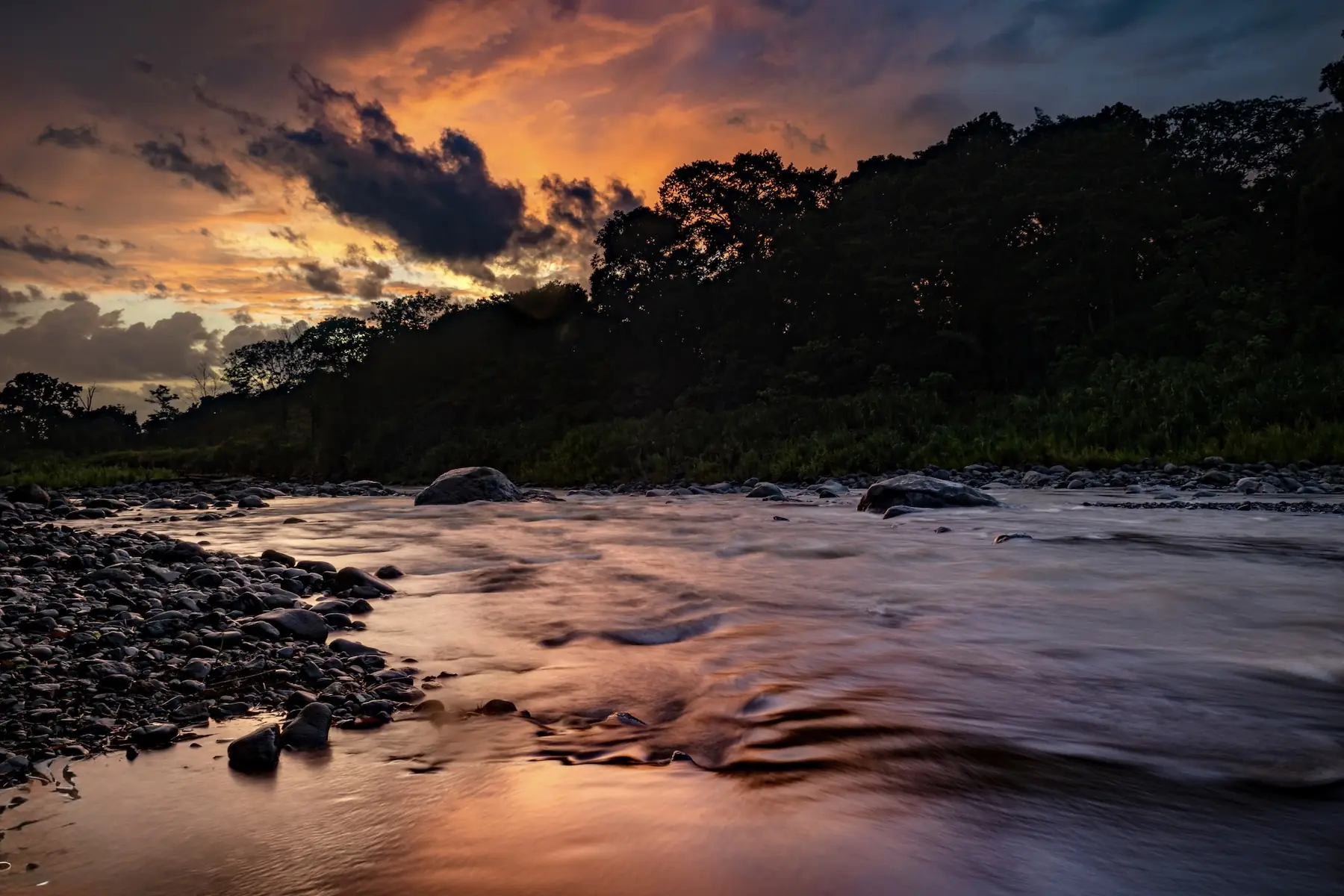
We are a family-owned retreat center on the Naranjo River, eight miles from Manuel Antonio, at the edge of more than 10,000 acres of rainforest protected by our partner Eco Era. Our ceremonial retreats are small, eight days, with a maximum of 16 guests and exclusive use of the center for each group.
Alongside three traditional Indigenous ceremonies, we share the gifts of the land: traditional herbal teas, flower baths, limpias and the dieta. Each retreat brings these traditions together in its own way, so the exact mix depends on the retreat and the facilitators leading it. If a flower bath or limpia matters to you, ask us which retreat includes one before you book.
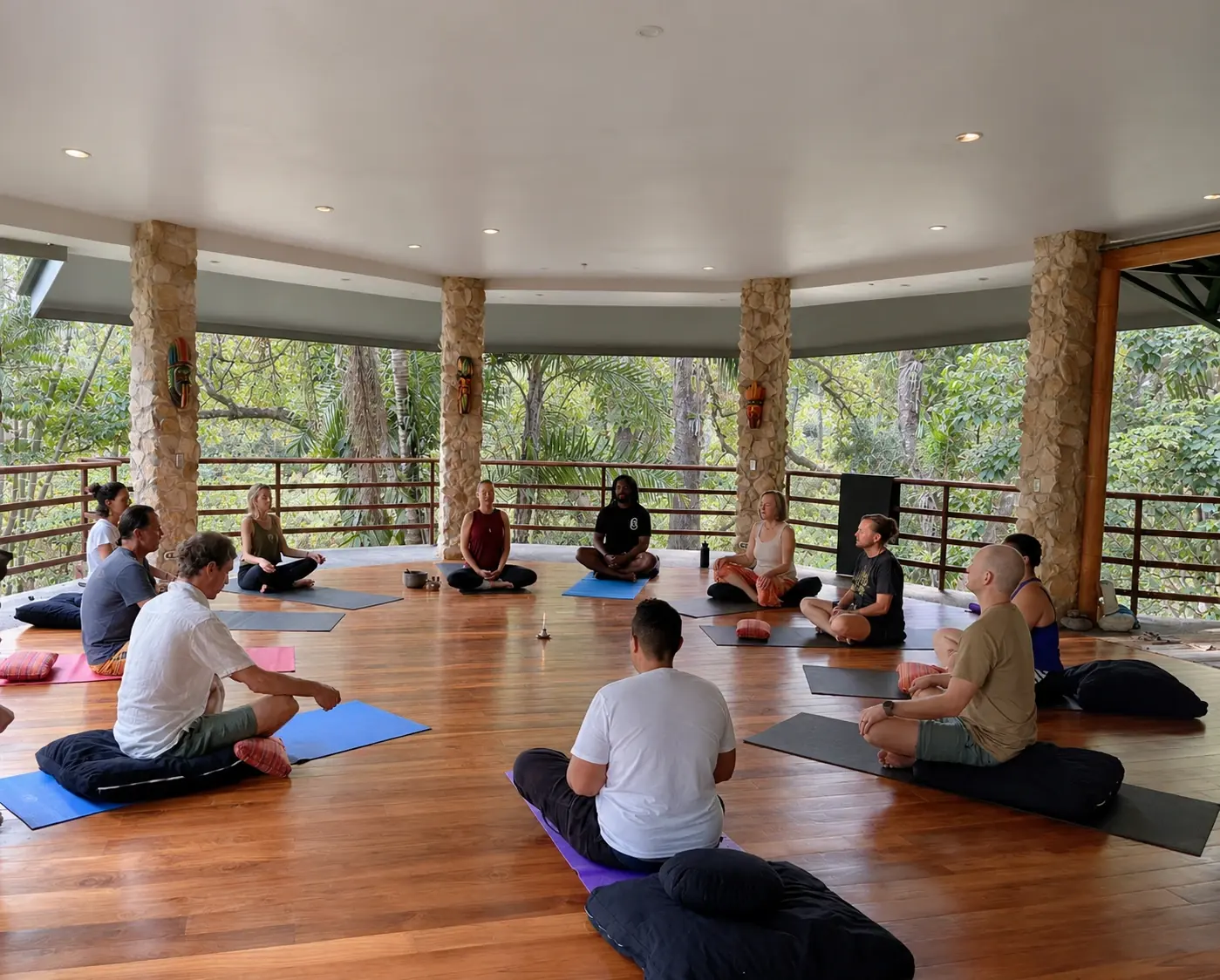
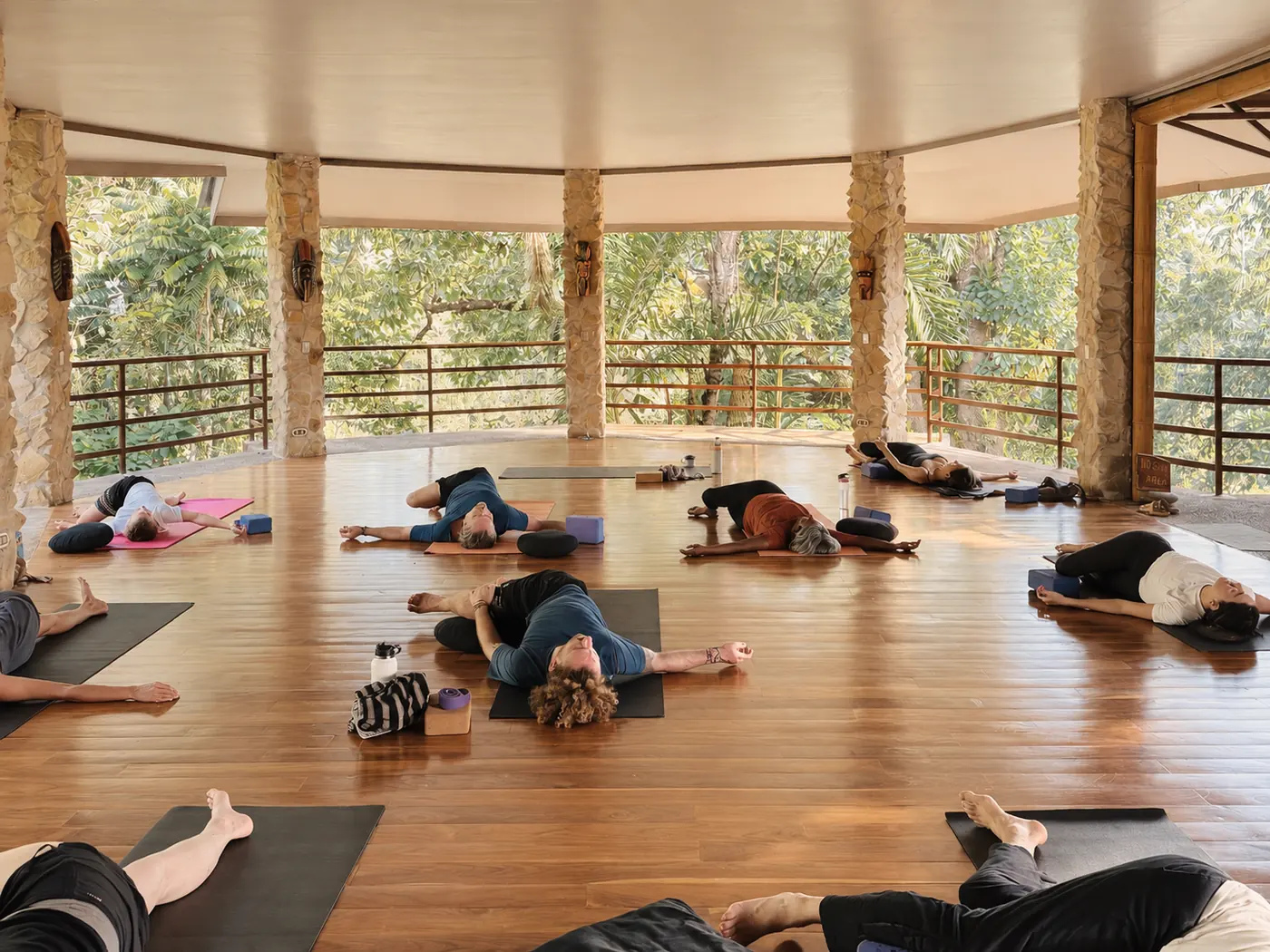
Between ceremonies the days are slow on purpose. Mornings begin with optional yoga and meditation. There is time to swim in the river, walk to a rainforest waterfall, spend a day at Manuel Antonio beach, and share farm-to-table meals with the group. Individual counseling sessions and group integration circles run through the week, so there is space to talk about what comes up.
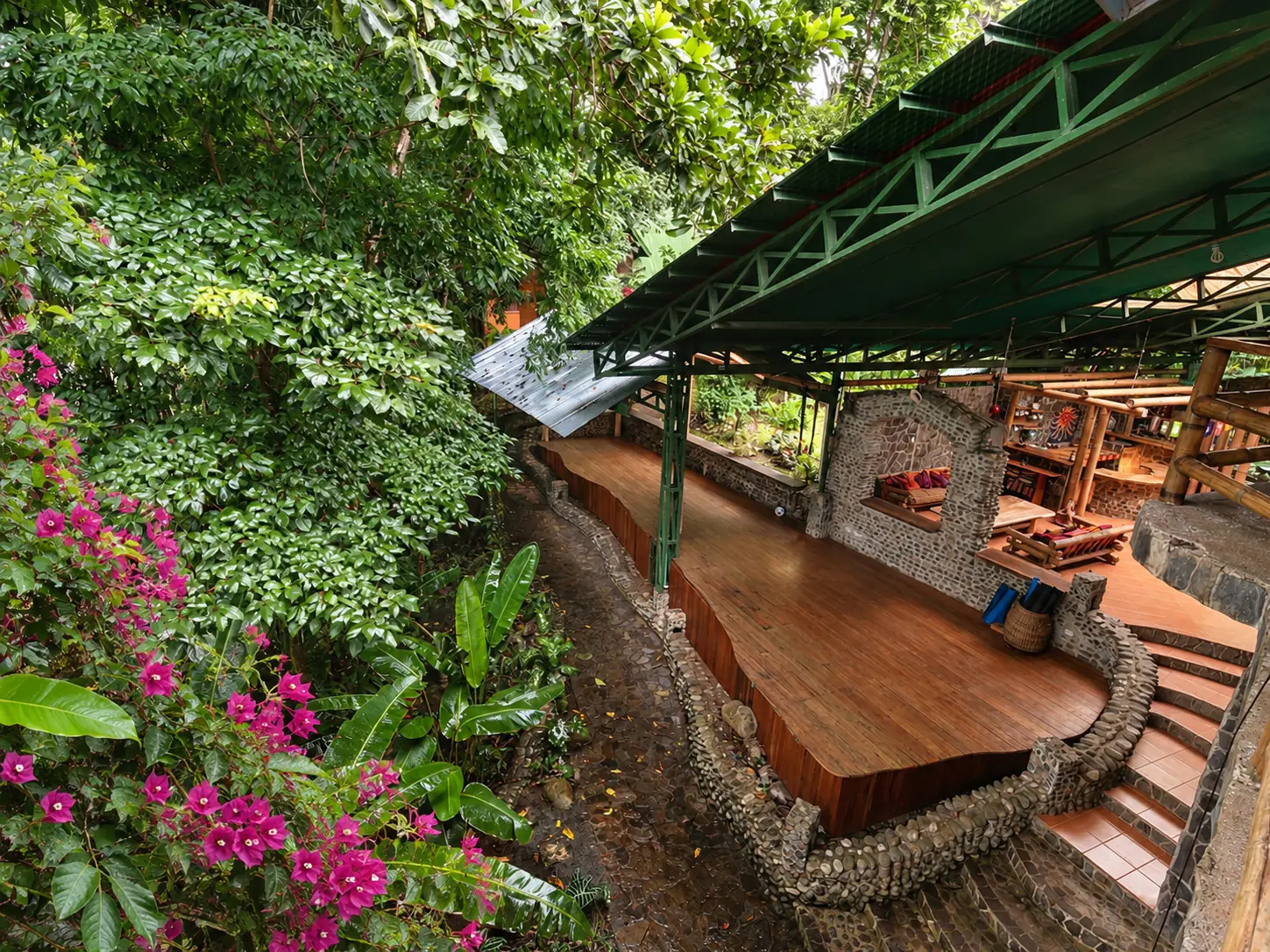
Some of our retreats also include a temazcal, the traditional sweat lodge, which often sits naturally beside a cleansing practice. Our page on temazcal and cacao ceremonies in Costa Rica explains more, and you can see the rooms, the river and the octagon fire temple on our facilities and accommodations page.
Taking part with respect
A few things help, wherever you experience a spiritual bath:
- Know who is leading it. Ask about their background and lineage. A real practitioner will be glad you asked.
- Tell them what they need to know. Mention allergies or skin sensitivities, since fresh plants are involved.
- Keep expectations loose. A flower bath is not a fix. It is a pause, a marking of a moment, and sometimes that is exactly what a person needs.
- Do not copy what you have not been taught. Buying a bag of petals and calling it a limpia misses the point. If you want something at home, a quiet moment with a bowl of water and a few flowers from the garden, offered as a simple pause rather than a ceremony, is honest and enough.
Frequently asked questions
What is a spiritual bath?
A spiritual bath is a ritual washing, usually with water steeped with flowers, herbs or salt, done with intention or prayer rather than for hygiene. It marks a moment, a letting go or a fresh start, and appears in many traditions across the Americas and beyond.
What is a flower bath?
A flower bath is a spiritual bath made with fresh flowers and herbs steeped in water, which is then poured slowly over the body. It is common in Latin American traditions, and the plants used depend on the tradition and the person preparing it.
What does a limpia do?
A limpia is a traditional spiritual cleansing from Mexican and wider Latin American traditions. It is meant to help a person let go of what they have been carrying. It may use herbs, smoke, prayer, song, water or flowers. It is a spiritual practice, not a medical treatment.
Do you rinse off after a spiritual bath?
In many traditions you let the water dry on your skin and wait some hours before rinsing, but it varies. Follow the guidance of the person leading the bath.
What flowers are used in a flower bath?
It depends on the tradition, the region and the practitioner. Fragrant flowers and fresh herbs are common, often chosen for their scent or for what they mean in that lineage. If you have allergies, mention them beforehand.
Can I have a flower bath or limpia in Costa Rica?
Yes. Flower baths and limpias are among the traditions shared at our small ceremonial retreats on the Naranjo River, depending on the retreat. Ask us which upcoming retreat includes them.
Next steps
If you would like to know which of our retreats include flower baths, limpias or a temazcal, we are happy to talk it through. There is no pressure, just a conversation.
With care, The Posada Natura team