Introduction
Wildland firefighters protect forests, homes and whole communities. The work asks a lot of the body and mind: long shifts in smoke and heat, constant vigilance, weeks away from home, and moments that stay with you long after the fire is out. Wellness for wildland firefighters is not a luxury. It is part of being able to come back next season, and to be present for the people at home.
This guide looks at what the off season can offer, what real rest looks like, and how a retreat shaped with wildland firefighters can help crews reset.
Why wildland firefighter wellness matters
During the season, many crews work 16-hour days for 14 days straight, with as little as two days to recover before the next assignment. Add smoke exposure, poor sleep, irregular meals, time away from family, and the weight of close calls or losses, and the stress adds up.
There is rarely time to process any of it while the season is running. That is why the off season matters so much: it is the one stretch of the year when there is space to rest, reflect and rebuild.
What real rest looks like after fire season
Rest is more than sleeping in. For many firefighters, the nervous system stays switched on long after the last assignment. Real recovery usually includes a few simple things:
- Sleep without an alarm or a radio. Several nights of uninterrupted sleep in a quiet place.
- Food that nourishes. Regular, fresh meals instead of whatever is in the truck.
- Time in nature that is not a fireline. Rivers, forest and open sky, with nothing to manage.
- Movement that feels good. Stretching, yoga, walking and swimming rather than hiking a line.
- Stillness. Meditation, quiet time and the chance to let things settle.
- Connection. Being with people who understand the work, and talking when you are ready.
Peer support and people who understand the job
One of the most valuable parts of any wellness program for wildland firefighters is being around others who know what the season is like. There is no need to explain the hours, the smoke or the culture. Many firefighters find it easier to rest and open up when they are with peers, and when people who have done the work are part of the support team.
A wellness retreat built with wildland firefighters
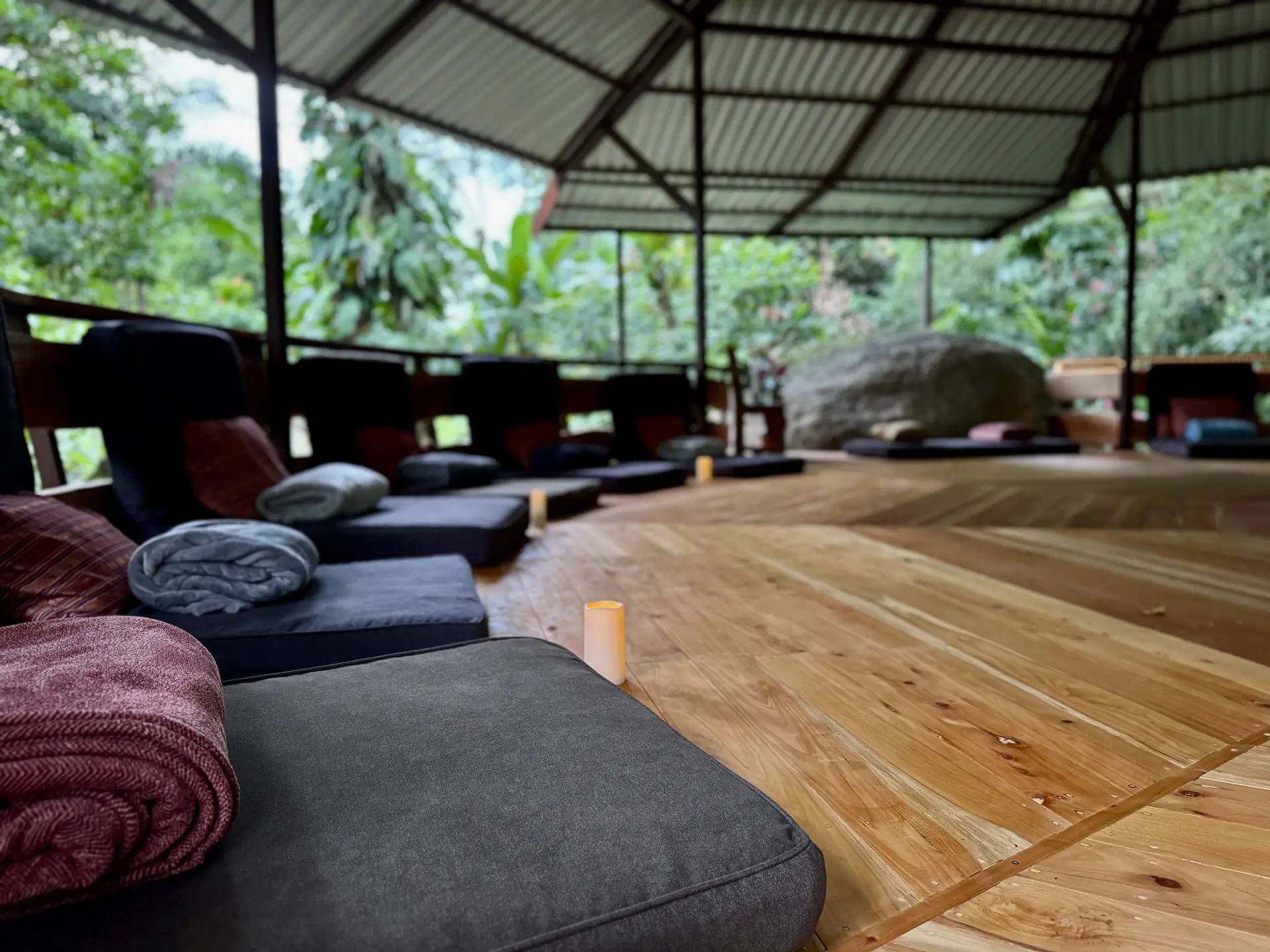
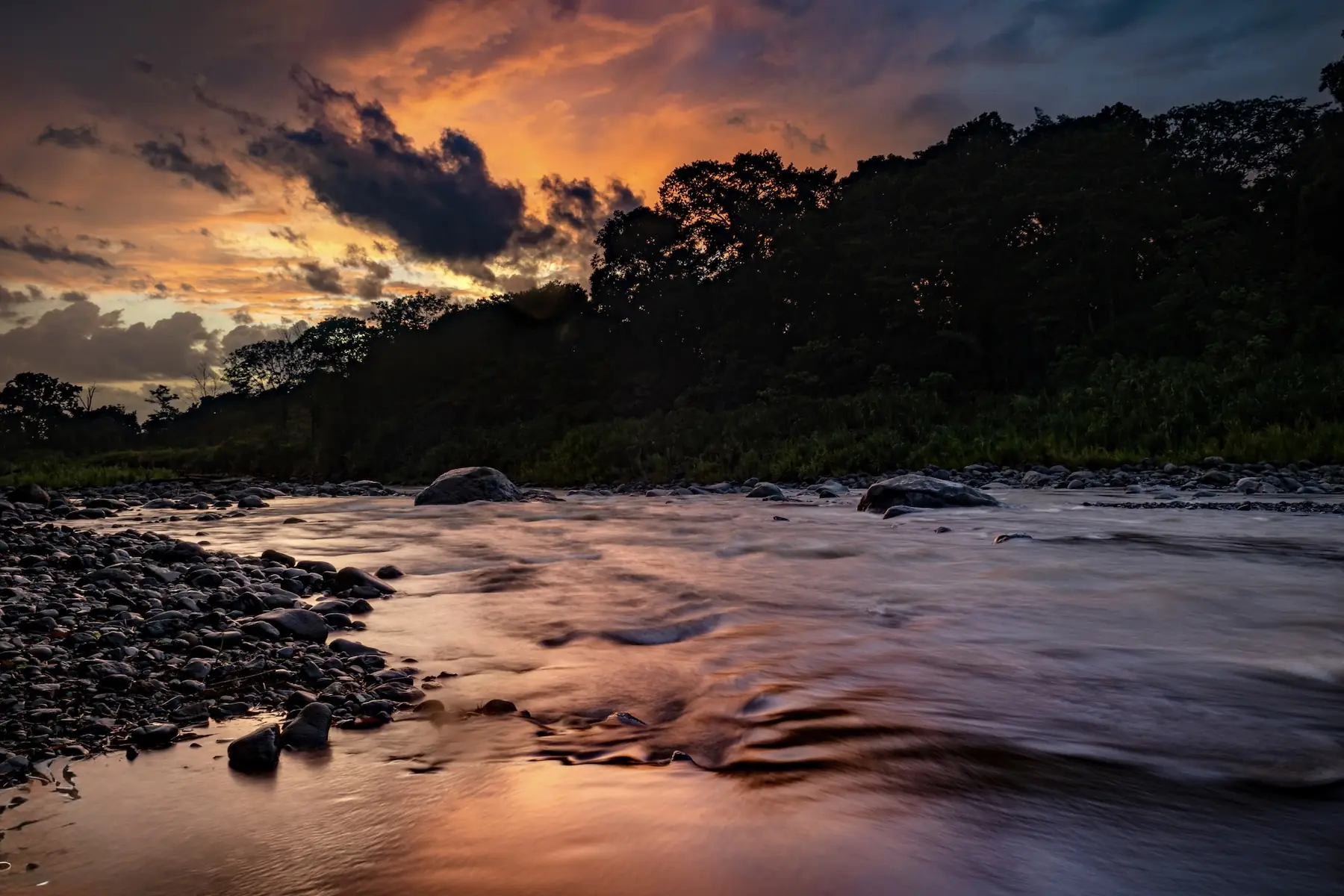
At Posada Natura, a family-owned rainforest retreat center on the Naranjo River in Costa Rica, we host an eight-day retreat for wildland firefighters. It was shaped with guidance from wildland firefighters, including a hotshot superintendent and an Alaska smokejumper, and firefighters are on site as part of the support team.
The week is built around rest and reset:
- Eight days in a private rainforest sanctuary, with riverfront accommodations
- Farm-to-table, nutrition-focused meals
- Daily yoga and meditation, and optional bodywork
- A traditional temazcal sweat lodge
- Group circles and individual support, with conversations before and after the retreat
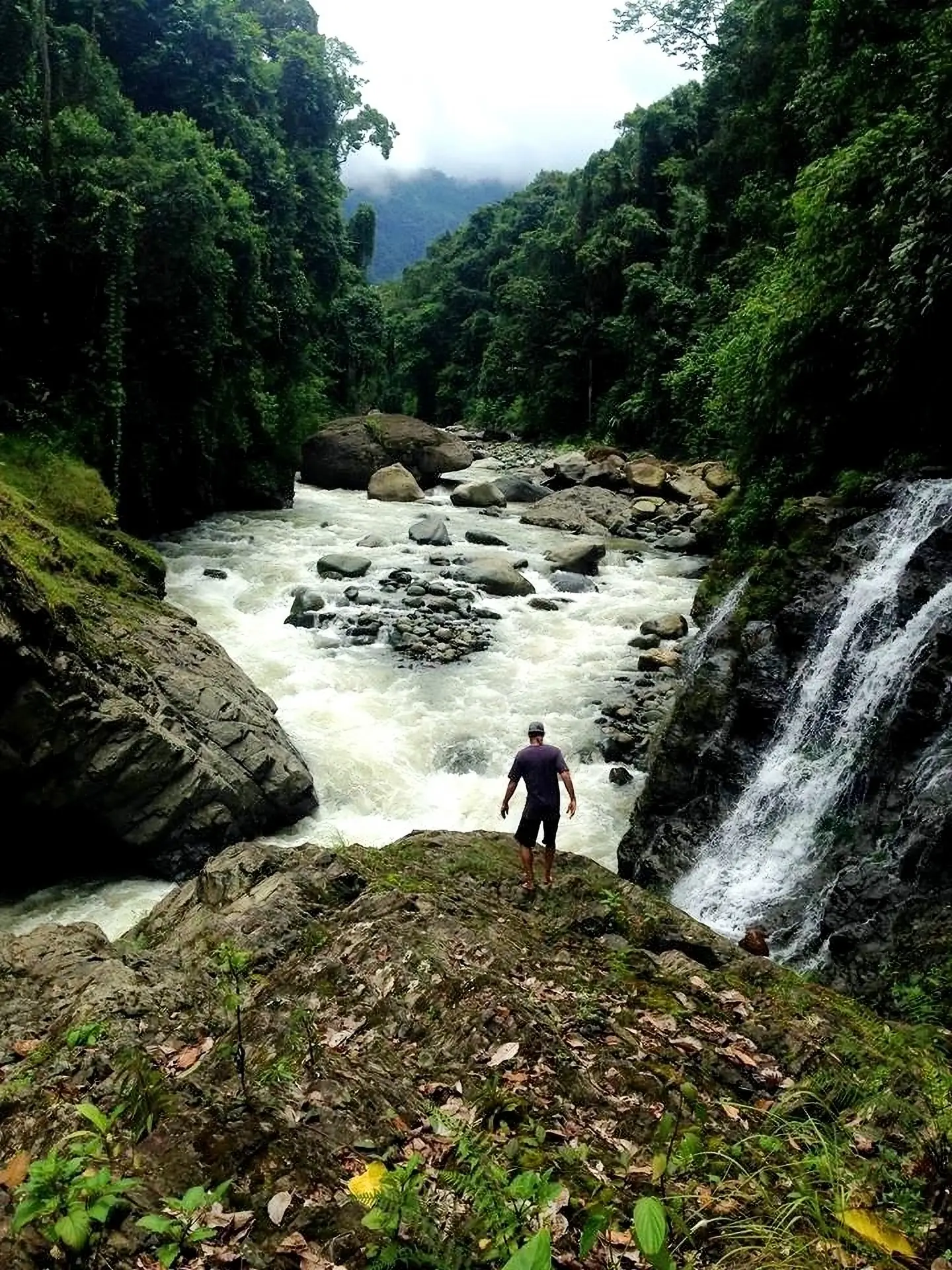
- Time at the river, a rainforest and waterfall excursion, and a Manuel Antonio beach day
The program also includes three traditional plant medicine ceremonies with experienced facilitators. Screening is required, and the retreat is a wellness program, not medical or mental health treatment. Participants continue care with their own clinicians.
Firefighters save 15% with code FIRE10, and limited partial scholarships are available for those with financial need.
See the wildland firefighter retreatTalk it through on a free call
Giving back to the forest
Wildland firefighters spend their careers caring for land. At Posada Natura, firefighters can lend their forestry skills to help protect the rainforest reserve that our nonprofit, Eco Era, has protected since 1991. Many find that working on land they are not trying to save from fire is a quiet kind of healing in itself.
How to support wildland firefighters
Wildland firefighters are among the lowest paid professions in the United States, and many cannot afford time away after the season. If you want to help, donations to Eco Era fund scholarships so firefighters can join the retreat.
Sponsor a wildland firefighter
If you need help now
If you are in crisis or thinking about suicide, please reach out right away. In the U.S., call or text 988 to reach the 988 Suicide & Crisis Lifeline, any time of day.
Frequently asked questions
What does wellness mean for wildland firefighters?
It means looking after the body, mind and relationships that the season puts under strain: sleep, nutrition, movement, stress, connection and time to process hard experiences, especially in the off season.
When is the best time for a wildland firefighter wellness retreat?
The off season, after the last assignments and before training starts again. That is when crews finally have time and space to rest.
Is the Posada Natura retreat only for firefighters?
Places are reserved for wildland firefighters, alongside people from other backgrounds. The program was shaped with wildland firefighters and firefighters are on site as support.
How much does the firefighter retreat cost?
Regular rates start from $3,600 for eight days. With the 15% firefighter discount (code FIRE10), firefighters pay from $3,060, and limited partial scholarships are available.