Important context. Ayahuasca can bring up intense physical and emotional experiences, and it is not right for everyone. This guide is educational, not medical advice. Every Posada Natura participant completes an intake and review before ceremony.
Introduction
If you are considering your first ayahuasca ceremony, it is natural to have a lot of questions. What actually happens on the night? Will I be safe? What if it gets difficult? What do I do with it afterward?
The honest answer is that no two ceremonies are the same, even for the same person. But there is a lot you can know in advance, and knowing it tends to make people calmer, more open and better prepared. This guide walks through the whole arc of a first ceremony, from the weeks before to the weeks after, based on how ceremonies are held at Posada Natura in Costa Rica.
Before the ceremony: screening and preparation
Preparation begins long before the first night. A responsible retreat will ask about your health history, medications and mental health before confirming your place. At Posada Natura, you complete a detailed intake questionnaire, have a one-on-one call with the facilitator leading your retreat, and your information is reviewed with our medical advisory board of physicians. Some conditions and medications, especially SSRIs and other antidepressants, can make ceremony unsafe, so be completely honest.
Once you are confirmed, you begin the dieta: a period of simple, clean eating and avoiding alcohol, recreational substances and certain foods. Our ayahuasca diet guide covers exactly what to eat and avoid, and when.
It also helps to spend some time with your intention. What is calling you to this work? You do not need a perfect answer, just an honest one. Hold it gently, and try to let go of expectations about what should happen.
Read the ayahuasca diet guideHow we screen participants
Arriving at the retreat
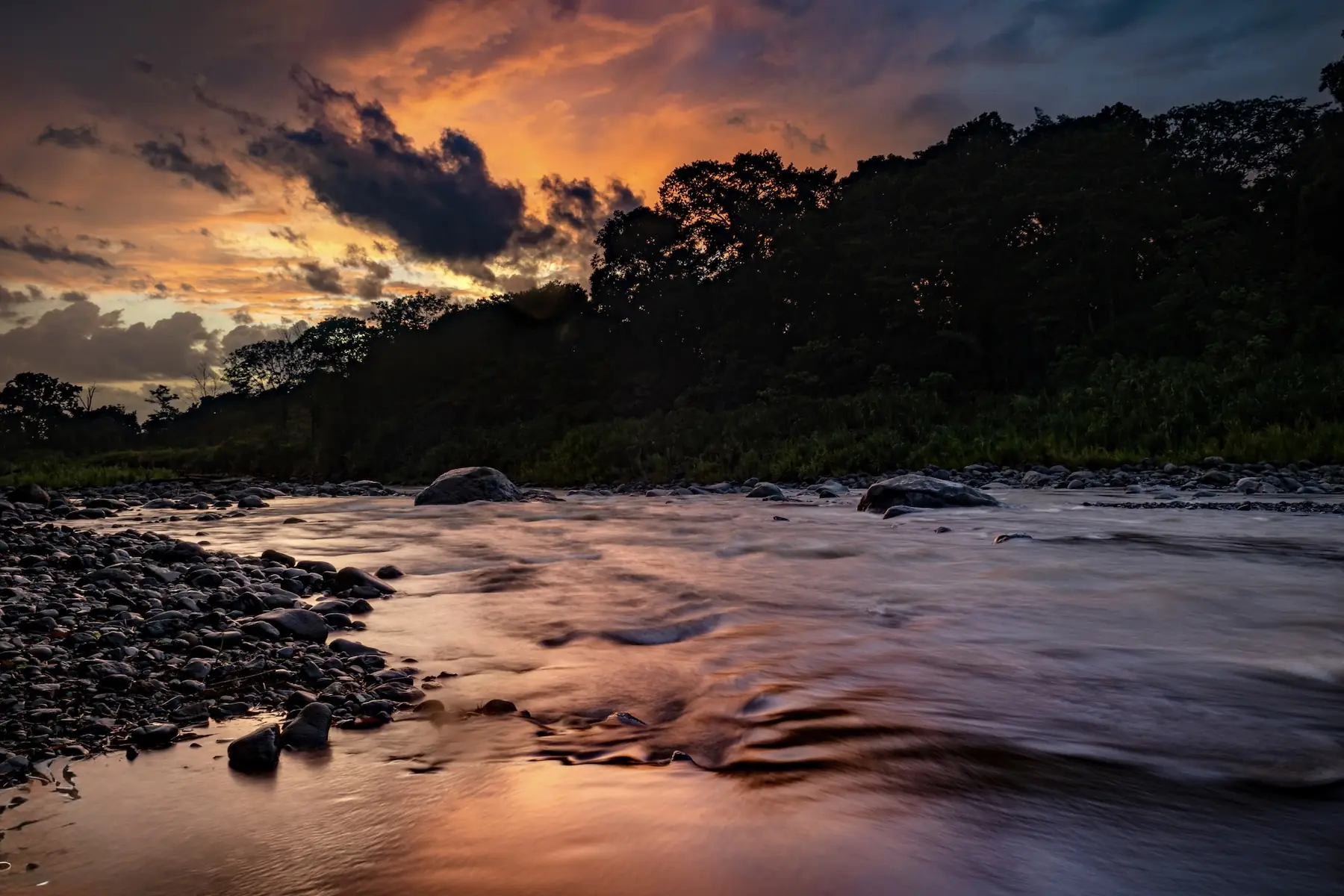
Most retreats give you time to land before the first ceremony. At Posada Natura you arrive together on the group shuttle from San José airport, settle into the sanctuary by the river and meet the people you will share the week with. Many first-timers say the nervousness eases once they meet the facilitators and the group.
The day of the ceremony
On a ceremony day, the rhythm slows down. You will typically have a simple breakfast and a light lunch, then fast from the afternoon onward so your stomach is empty by evening. It is a good day for rest, a swim, journaling or quiet time by the river. Avoid heavy conversation and screens if you can.
Wear loose, comfortable, warm layers. Nights in the rainforest can feel cool, especially after ceremony. Bring a blanket or shawl, a water bottle, any personal items the facilitators recommend, and leave valuables and phones away from the ceremony space.
What happens during the ceremony
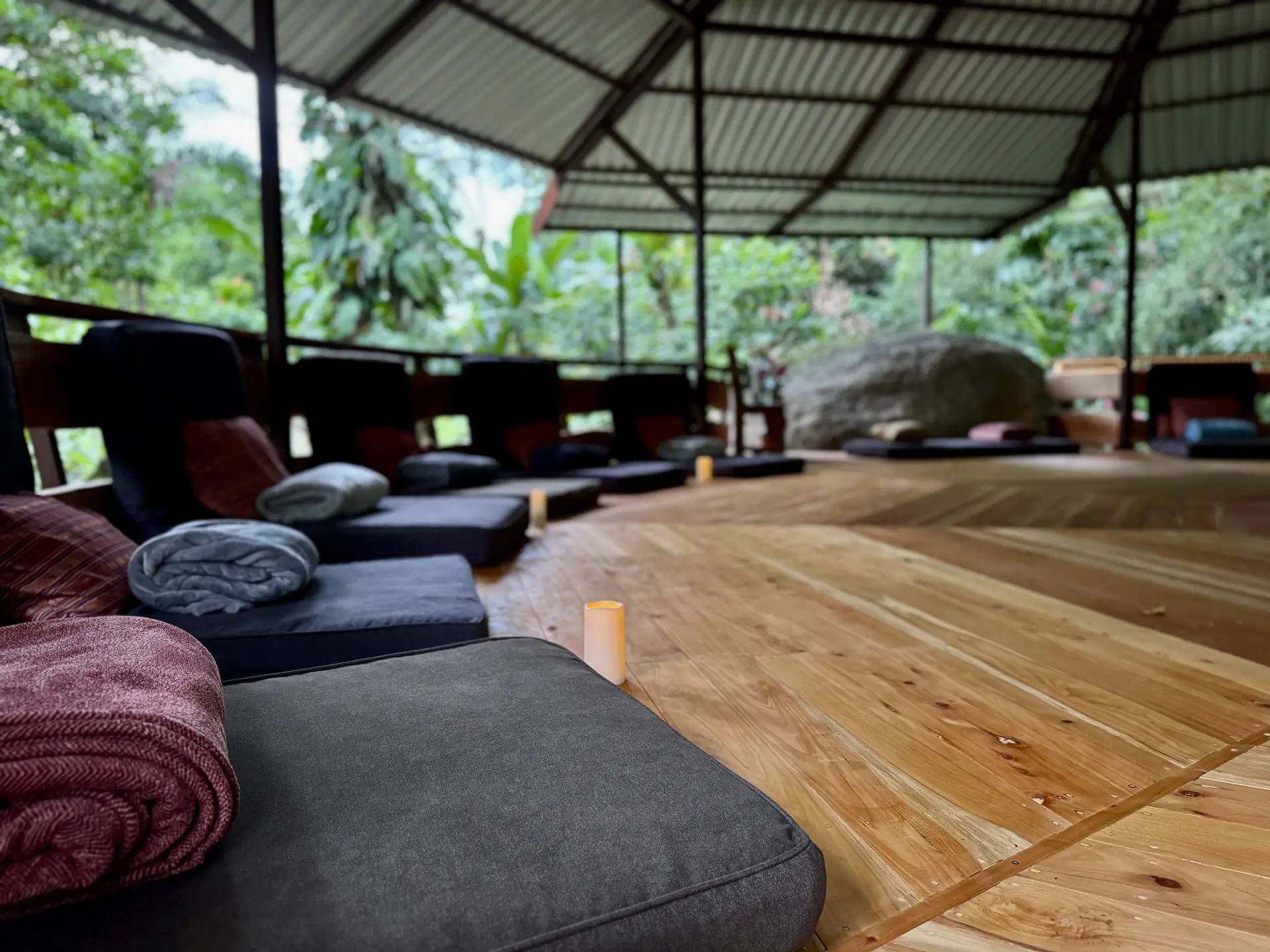
Ceremonies are held at night, in a dedicated ceremonial space. At Posada Natura that is our octagon fire temple. You will have your own place in the circle, with a mat, blanket and a bucket for purging. The facilitator opens the ceremony with prayer and intention, and participants are called up one at a time to receive the medicine.
The effects usually begin within about 30 to 60 minutes and can last several hours. The facilitators hold the space through the night with songs, music and prayer, and helpers move around the circle to support anyone who needs it. You can ask for help at any time, and it is completely normal to do so.
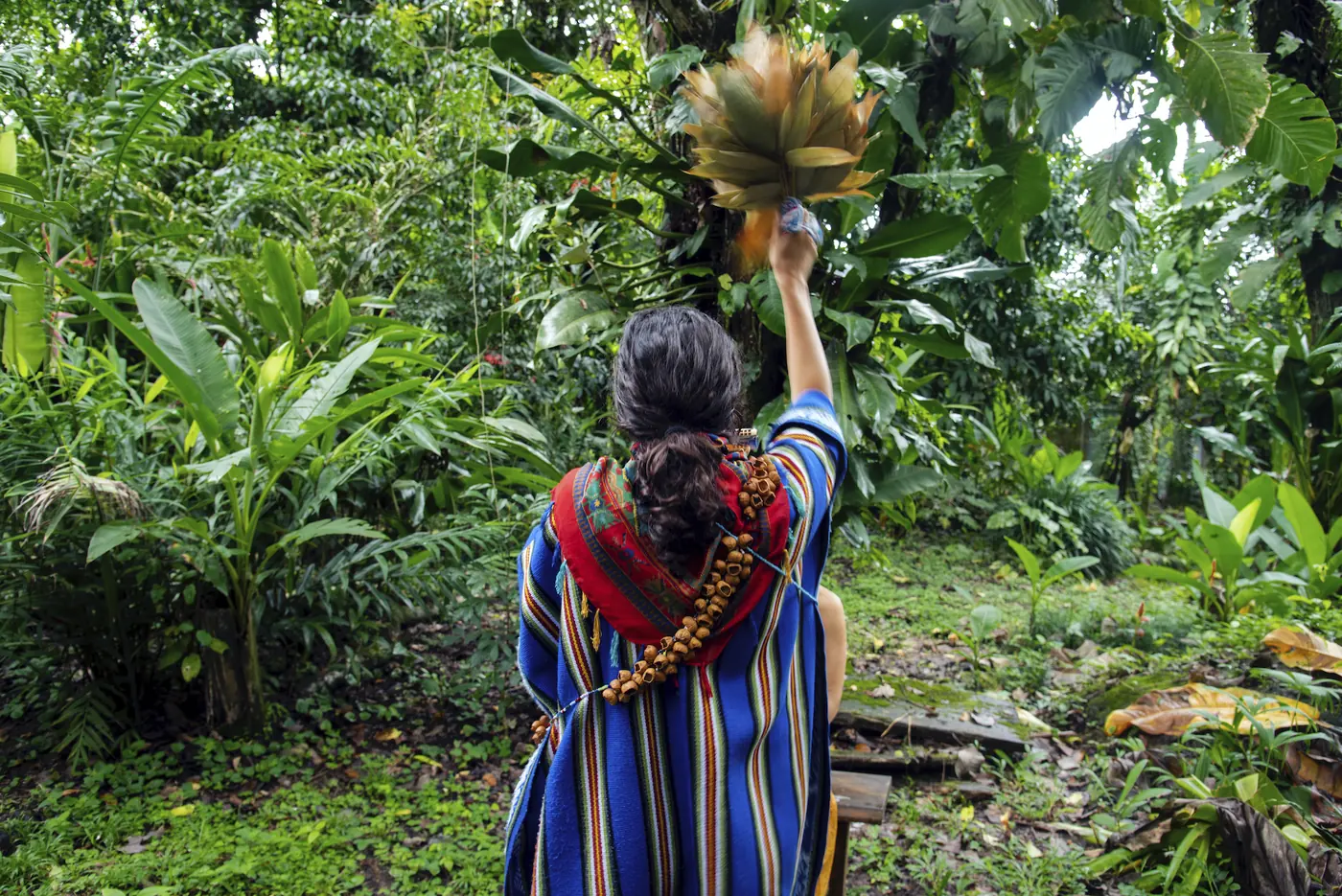
Ceremony traditions vary widely. Our ceremonies are rooted in the Kamëntšá yagé tradition of the Sibundoy Valley in Colombia, carried by Taita Juan Bautista Agreda Chindoy and the facilitators trained in his lineage. You can learn more in our conversation with Celina De Leon.
Common experiences in a first ceremony
Every ceremony is different, but first-timers often describe some of the following:
- Physical sensations. Waves of energy, heaviness or lightness, warmth or chills, and changes in perception of sound and space.
- Purging. Vomiting is common and expected. Purging can also show up as crying, yawning, shaking, sweating or needing the bathroom. In the tradition, it is understood as a release, and many people feel lighter afterward.
- Visions or none at all. Some people see vivid imagery. Many do not, especially in a first ceremony, and still describe a meaningful experience through feelings, memories or insight.
- Emotion. Grief, fear, joy, love and everything between can come up, sometimes quickly. Letting it move through you, rather than fighting it, usually helps.
- Moments of difficulty. Challenging passages are normal. Breathing slowly, returning to your intention and asking for support are your best tools.
- Quiet and peace. Many people also experience deep calm, gratitude or connection.
None of these are required, and none of them mean you are doing it right or wrong.
After the ceremony
Ceremonies close in the early morning hours, and most people sleep until late morning. The next day is gentle: a nourishing meal, rest, time in nature and a group integration circle where you can share as much or as little as you like.
At Posada Natura, a retreat includes three ceremonies across eight days, with rest days between them, individual counseling sessions and group integration circles. That spacing gives each experience time to settle before the next.
Integration: the work continues at home
Many people find that the most meaningful part of the work happens in the weeks after a retreat. Integration means reflecting on what came up and gently bringing it into daily life. A few practical suggestions:
- Keep the diet simple and avoid alcohol and recreational substances for at least a week.
- Journal, walk in nature and keep up a contemplative practice.
- Wait one to two weeks before making major life decisions.
- Reach out for support if you feel unsettled. It is common to feel sensitive for a while.
Posada Natura guests can schedule integration support after their retreat whenever they need it, and we can connect you with our network of integration practitioners.
Integration support at Posada Natura
Questions first-timers often ask
Is it okay to be nervous?
Yes. Almost everyone is nervous before their first ceremony. Nervousness often softens once you arrive, meet the team and understand what the night will look like.
Can I leave the ceremony space?
You can go to the bathroom or step outside with a helper's support, but the facilitators will ask you to stay within the ceremony area until it closes, for your safety.
What if I do not feel anything?
It happens, and it is not a failure. Some people feel little in their first ceremony and much more in later ones. Others find that the insight arrives in the days afterward.
How many ceremonies should my first retreat include?
Many people find that a retreat with several ceremonies, with rest days between them, gives the best balance of depth and integration. Our eight-day retreats include three.
Ready to take the next step?
If you are considering your first ceremony, the best next step is a conversation. Our team can talk through your questions, your health and whether a retreat is the right fit, with no pressure.
See upcoming plant medicine retreat dates or schedule a free discovery call.