Introduction
A yoga retreat is shaped by its venue more than most people expect. The shala sets the tone for every class, the rooms decide how rested your students feel, and the kitchen shapes the mood of the whole week. Costa Rica has hundreds of places that call themselves yoga retreat venues, from boutique hotels with a deck to purpose-built retreat centers with full support teams.
We wrote this guide for yoga teachers and retreat leaders comparing yoga retreat venues in Costa Rica. It covers what to look for in the practice space, the rooms and the food, how to think about cost, and the questions that separate a good fit from an expensive surprise.
Start with the shala
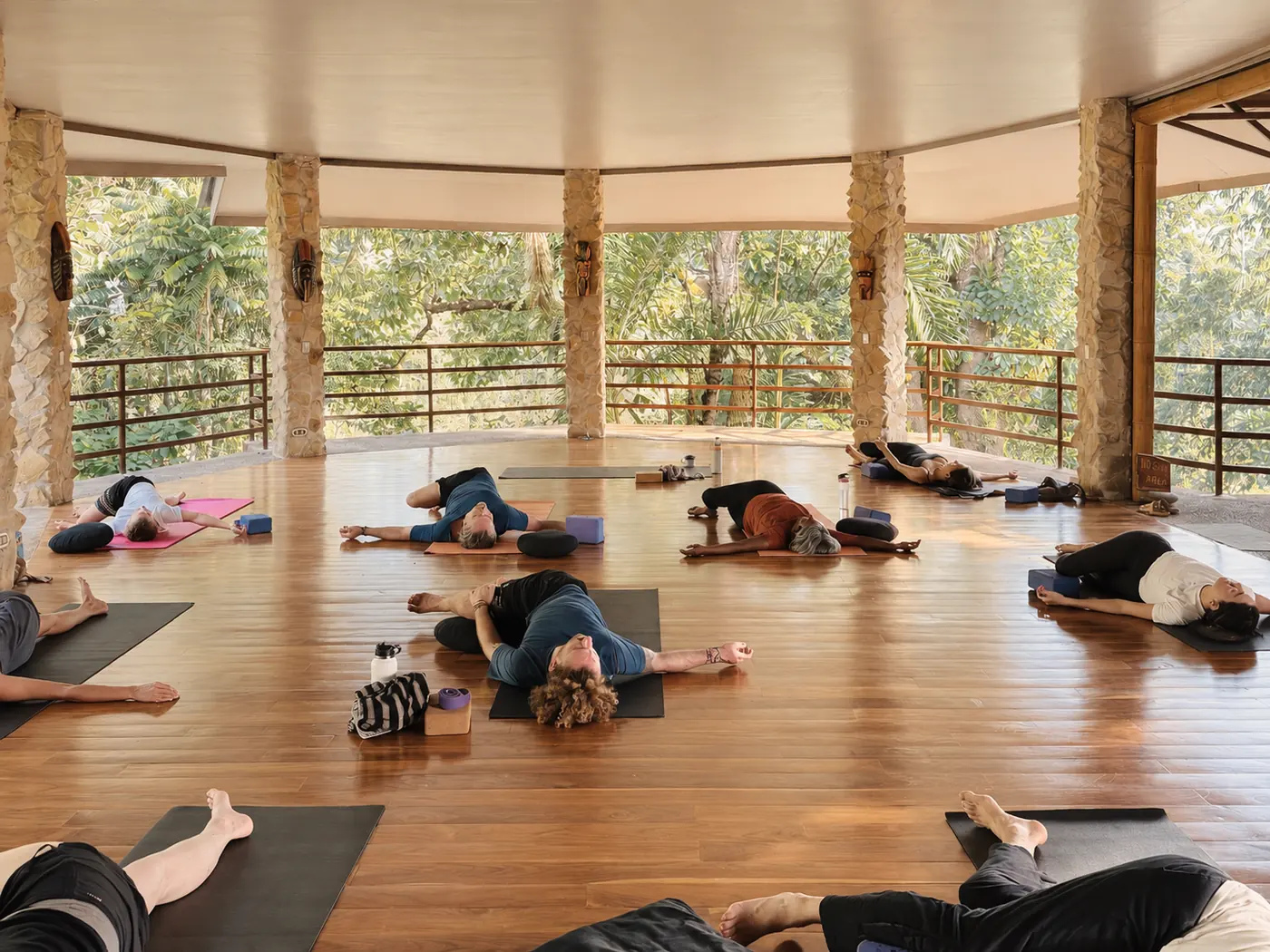
Your practice space matters more than any other single feature. Ask for photos taken at class time, and if you can, a short video walkthrough.
- Size. Ask how many mats fit comfortably, not how many people can stand in the room. Leave space for you to walk between mats and for props beside each one.
- Flooring. Wood floors are kinder to knees and wrists than tile or concrete. Ask whether the floor is level and how it is cleaned.
- Walls and weather. Open-air shalas feel wonderful in the rainforest, but ask how they handle afternoon rain in the green season and whether there is shelter from wind and sun.
- Sound. Listen for roads, generators, kitchens and neighbors. A river or the forest makes the best background; traffic does not.
- Props. Confirm mats, bolsters, blocks, straps, blankets and meditation cushions are provided for your full group, so students travel light.
- A second space. A second room lets you run a workshop, ceremony or small group while the shala is set up for the next class.
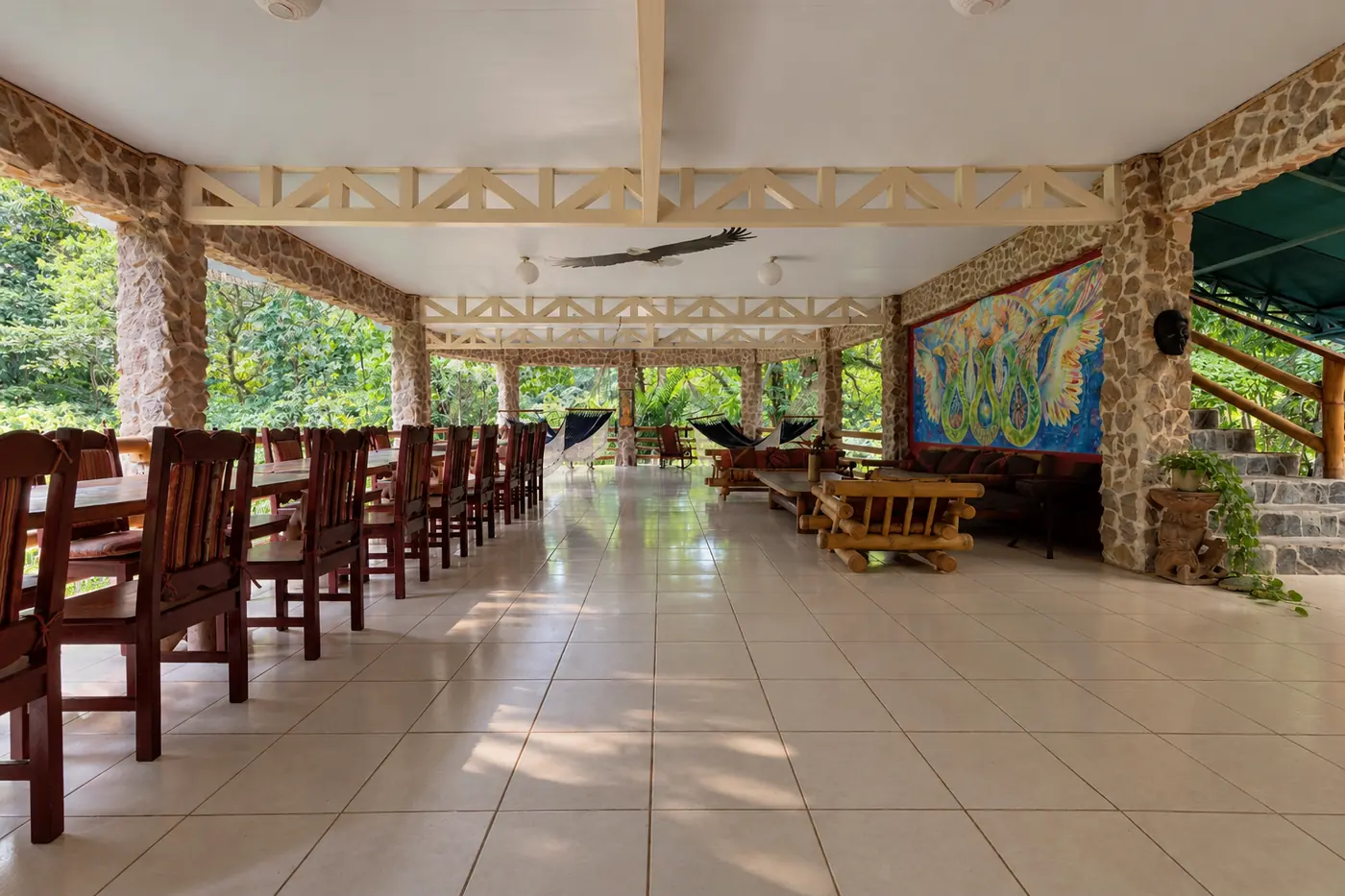
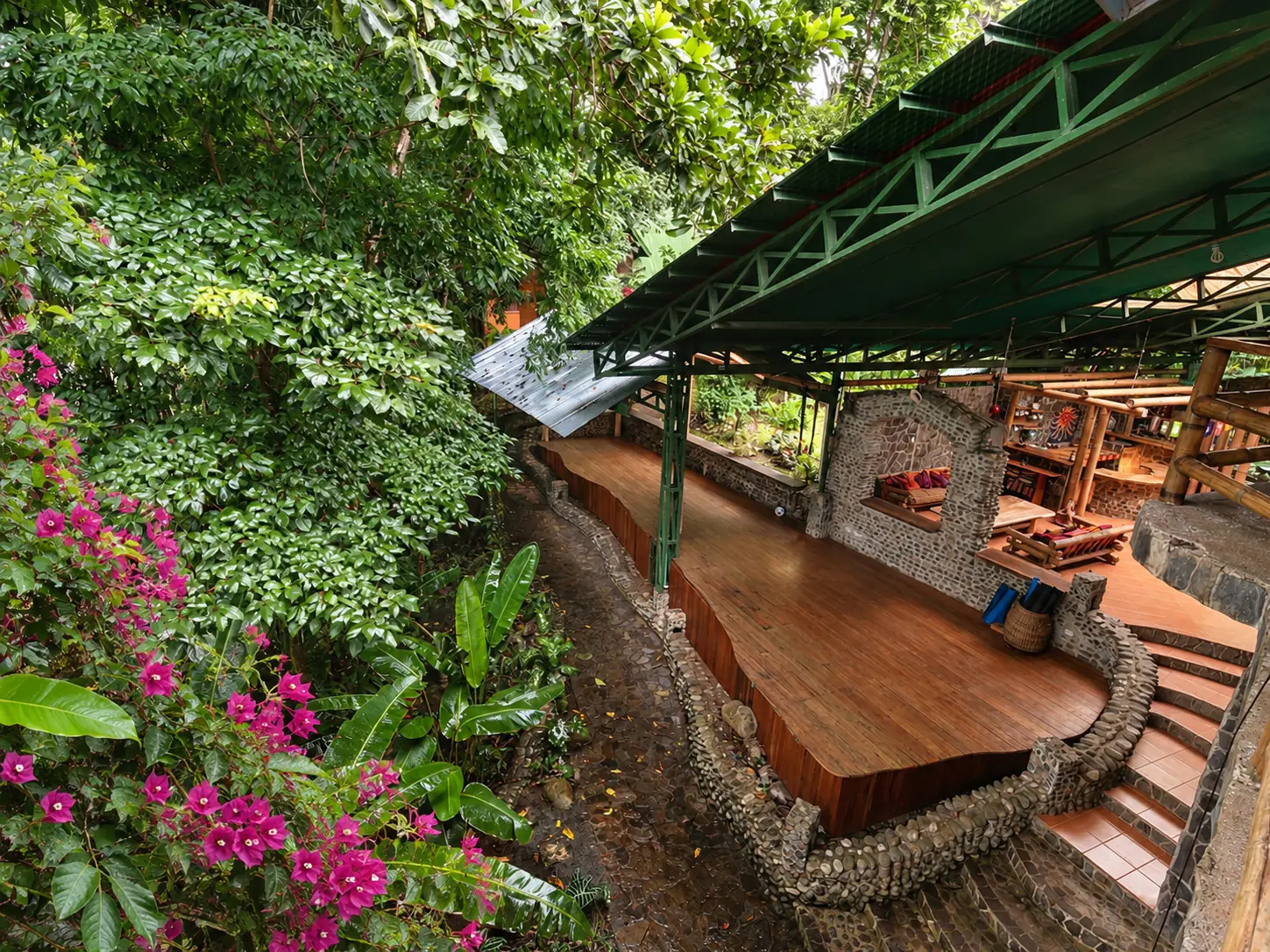
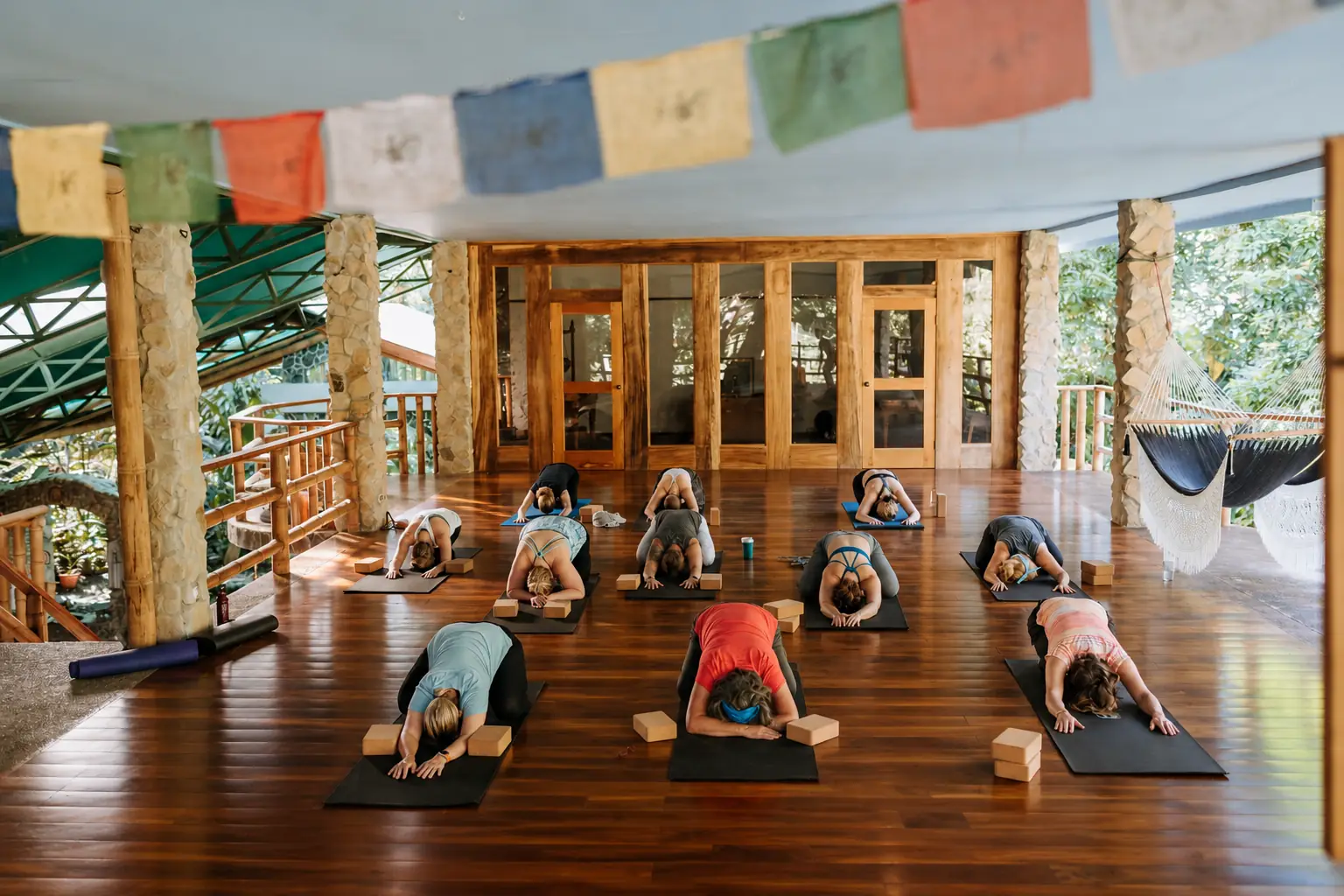
Here at Posada Natura, the upstairs open-air yoga shala holds 40 and comes with mats, bolsters, props and meditation cushions. The octagon fire temple, built around ancient boulders, holds 30 for ceremony, sound and circle work.
Rooms that fit your pricing
Room mix is how you build price tiers. A venue with only private rooms forces a high price; a venue with only dorms limits who can come.
Look for a range: shared rooms with single beds for budget-conscious students, rooms for two, and a handful of private rooms you can sell at a premium. Ask how many people share each bathroom, whether beds can be pushed together for couples, and how close the rooms are to the shala. Short, quiet walks between sleep and practice make a real difference over a week.
Meals your students will talk about
Food is one of the most remembered parts of any retreat. Ask the venue:
- Are three meals a day included, and is tea and coffee available all day?
- Can the kitchen handle vegan, gluten-free and allergy needs without extra charges?
- Is the food cooked on site, and where does the produce come from?
- Can meal times move around your schedule, for example a later breakfast after a long morning practice?
Exclusive use and support
Exclusive use means your group has the whole property. For yoga retreats it protects the quiet and the sense of community you are building. Sharing a hotel with other guests can work, but it changes the feel of the week.
Equally important is who does the work. We have seen how much a retreat leader's week changes when someone else holds the details. A venue with on-site management, housekeeping and meal service lets you teach instead of chasing towels and timetables. Ask who your day-to-day contact will be and how quickly they respond.
Location and travel day
Every hour of travel is an hour your students arrive tired, so it is worth thinking about how the journey feels. In Costa Rica, most groups fly into San José (SJO) or Liberia (LIR).
- Guanacaste is sunny, dry and close to Liberia airport, and in high demand.
- The Central Pacific, around Manuel Antonio and Quepos, pairs rainforest with the ocean and is reachable from San José by road.
- The Southern Pacific is wilder and quieter but a longer trip.
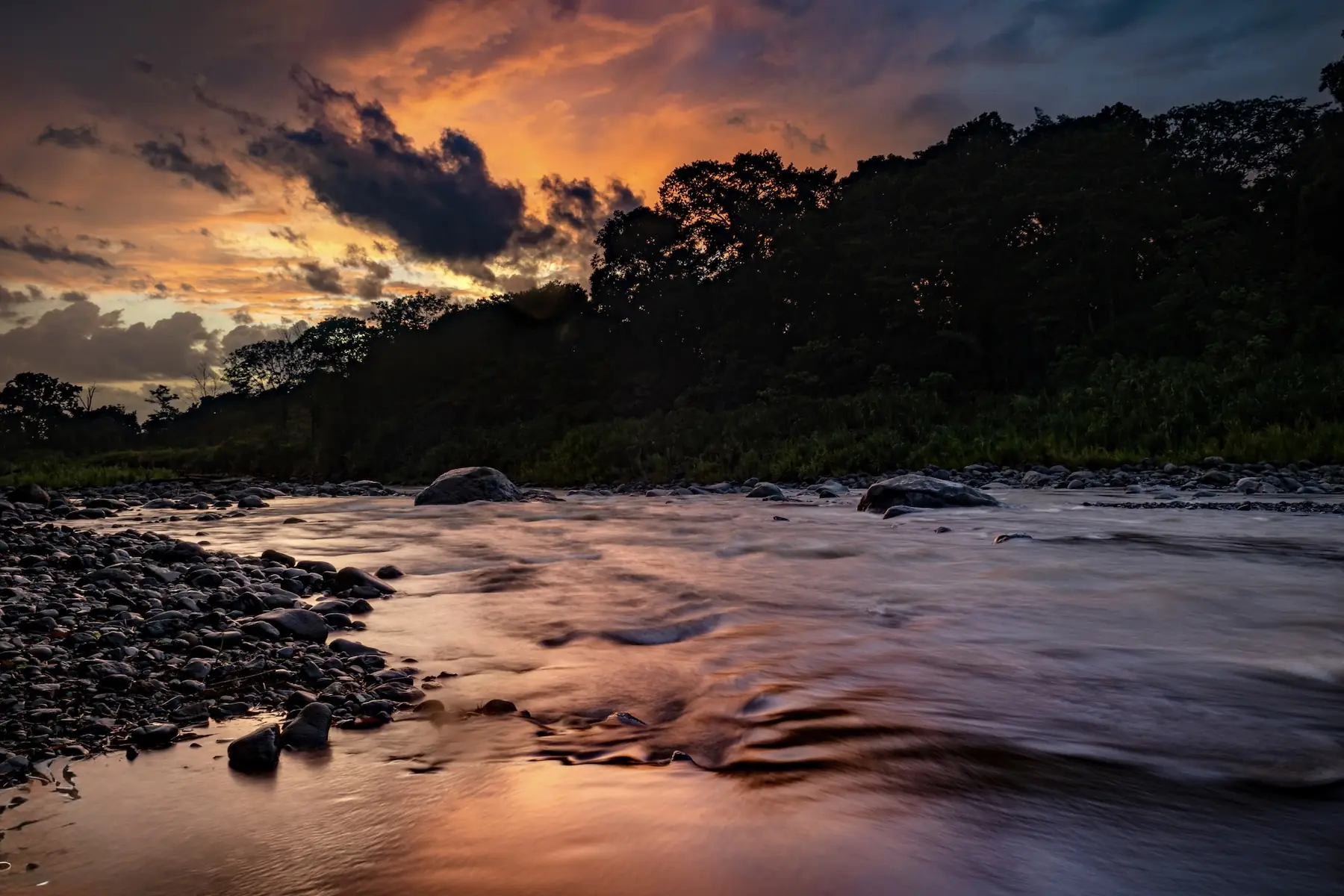
Posada Natura sits on the Naranjo River, eight miles from Manuel Antonio, about 2.5 to 4 hours from San José by road depending on traffic. A group shuttle turns that drive into the first shared moment of the retreat. If you like, invite everyone to look out the window for the last few minutes, notice the air change, and let the trip settle before they arrive.
What does a yoga retreat venue in Costa Rica cost?
Most Costa Rica venues price per person, per day or per night, usually including lodging and meals. The headline number is only the start. Check:
- Whether taxes and service charges are included
- Card processing fees and how you can pay
- Minimum group size and whether the rate drops for bigger groups
- What counts as an extra: airport transfers, excursions, bodywork, special diets
At Posada Natura, venue pricing starts at $200 per person, per day for groups of 20 to 30, and $220 for groups of 12 to 19, with a 12-guest minimum. There are no taxes, bank wire payments have no added fee, and credit cards carry a 3% processing fee. Groups over 30 receive a custom quote.
See venue pricing and what is included
Questions to ask before you sign
- Can I see the shala at class time, by video if not in person?
- How many mats fit with room to move, and what props are included?
- What is the full room list, with beds and bathrooms?
- What exactly is included in the daily rate, and what costs extra?
- What are the deposit, payment and cancellation terms?
- Will we have the property to ourselves?
- Who is our contact on site, and what hours are they available?
- Can you arrange transfers, excursions and bodywork for the group?
Hosting your yoga retreat at Posada Natura
Posada Natura is a family-owned rainforest retreat center that has welcomed groups since 2001. Retreat leaders have exclusive use of the riverside casitas, the octagon bungalow and neighboring suites, for up to 40 guests in 32 beds. Three family-style, farm-to-table, organic meals are served daily, and the on-site team handles housekeeping, meals and logistics so you can focus on teaching.
Excursions to waterfalls, river rafting, horseback riding and Manuel Antonio beach days can be arranged, along with bodywork, breathwork, sound healing and a Temazcal sweat lodge. Every retreat hosted here also helps fund Eco Era's protection of more than 10,000 acres of rainforest in the Cerro Nara mountains.
Planning further ahead? Read how to choose a retreat venue in Costa Rica and how to plan a yoga retreat in Costa Rica.
Explore hosting at Posada NaturaTour the yoga shala and accommodationsSchedule a free discovery call
Frequently asked questions
How many people do I need to book a retreat venue in Costa Rica?
Minimums vary by venue. Many retreat centers ask for 10 to 15 guests for exclusive use. Posada Natura has a 12-guest minimum and hosts up to 40.
How far ahead should I book a yoga retreat venue?
For the dry season, December to April, book 9 to 12 months ahead. Green season dates are often available with less notice.
Do yoga retreat venues in Costa Rica include meals?
Most full-service retreat centers include three meals a day. At Posada Natura, three family-style, farm-to-table, organic meals plus all-day tea and coffee are included in the venue rate.