Introduction
Costa Rica is one of the most popular places in the world to host a retreat, and for good reason: direct flights from most of North America, a stable and welcoming country, a deep wellness culture, and rainforest, mountains and two coastlines within a few hours of each other.
It also has hundreds of venues, and they vary enormously. Choosing the right one shapes everything about your retreat, from how your participants feel when they arrive to how much you earn when it is over. This guide walks through the decisions that matter most, from region and season to the questions to ask before you sign.
Start with your retreat, not the venue
Before comparing venues, get clear on a few basics. They will narrow your search quickly.
- Group size. How many participants, plus your team? Look for a venue that fits your group comfortably without feeling empty.
- Type of program. Yoga, meditation, breathwork, sound healing, ceremony and workshops each need different spaces. A silent meditation retreat needs quiet; a movement retreat needs a large, level practice floor.
- Length. Most retreats run five to eight days. Longer retreats need more variety in excursions and meals.
- Budget. Know what your participants can pay and what margin you need, then work backward to a per-person venue cost.
- Privacy. Do you want exclusive use, or are you comfortable sharing the property with other guests?
Choosing a region in Costa Rica
Each part of the country offers a different experience and a different travel day for your guests.
| Region | What it offers |
|---|---|
| Guanacaste and the Nicoya Peninsula | Dry forest and Pacific beaches, the sunniest weather, and easy access from Liberia airport (LIR). Popular, so venues book early. |
| Central Pacific (Manuel Antonio and Quepos) | Lush rainforest close to the ocean, Manuel Antonio National Park, and access from San José (SJO) by road or a short domestic flight to Quepos. |
| Southern Pacific (Uvita and Dominical) | Wild, quieter coastline and mountain jungle. Longer travel from San José. |
| Arenal and La Fortuna | Volcano views, hot springs and cooler mountain air. Inland, about three hours from San José. |
| Caribbean coast | Afro-Caribbean culture, beaches and rainforest. A longer, more remote journey for most guests. |
For many retreats, the sweet spot is a setting that feels remote once you arrive but is not a punishing travel day to reach. A group shuttle from the airport makes a big difference to how participants arrive.
Timing and seasons
Costa Rica's dry season runs roughly from December to April. It is the most popular time for retreats, with the sunniest weather and the highest demand. The green season, from May to November, brings afternoon rains, lush forest, fewer tourists and often more venue availability. With open-air practice spaces and good planning, green-season retreats can be beautiful. Book dry-season dates six to twelve months ahead if you can.
What to look for in the venue itself
- Practice spaces. Size, flooring, shade, sound and whether the space is open-air or enclosed. Ask for the exact dimensions and how many people each space holds comfortably.
- Accommodations. A mix of room types lets you offer different price points. Check bed configurations, private versus shared bathrooms and how many people each room holds.
- Meals. Three meals a day should be included. Ask about dietary needs, plant-based options and whether the kitchen can follow special diets such as a ceremonial dieta.
- Exclusive use. Having the whole property to yourselves protects the container you are creating.
- Staff and support. An on-site team that handles housekeeping, meals and logistics lets you focus on facilitating.
- Nature and excursions. Rivers, waterfalls, trails and beach days give participants space between sessions.
- Wi-Fi and quiet. Decide whether you want connection or a digital break, and ask where internet is available.
- Accessibility. Ask about paths, stairs, terrain and the nearest medical care.
Questions to ask before you book
- What exactly is included in the price, and what is extra?
- Are taxes and service fees included in the quote?
- What is the minimum group size, and does the rate change for larger groups?
- What are the deposit, payment and cancellation terms?
- Will we have exclusive use of the property?
- Who will be on site during our retreat, and how do we reach them?
- Can you arrange airport transfers and excursions?
- Can we visit, or join a video walkthrough, before we commit?
What does it cost to rent a retreat venue in Costa Rica?
Venue pricing in Costa Rica is usually quoted per person, per night or per day, and often includes lodging and meals. The most important thing to check is what the quoted price leaves out. Taxes, service charges, practice-space fees and transportation can add a surprising amount to the final bill.
At Posada Natura, pricing starts at $200 per person, per day for groups of 20 to 30 guests, and $220 for groups of 12 to 19, with a 12-guest minimum and no taxes. Paid by bank wire, that rate is the final price with no added fees; credit card payments add a 3% processing fee. It covers accommodation, three meals daily and exclusive use of the sanctuary and its practice spaces. For example, 12 guests for 7 days comes to 12 × 7 × $220 = $18,480 by bank wire. If cost is a barrier, the team is open to talking about a discounted rate, and every booking directly funds Eco Era’s rainforest conservation. Optional excursions, bodywork and transportation are quoted separately.
See Posada Natura venue pricing
Hosting a retreat at Posada Natura
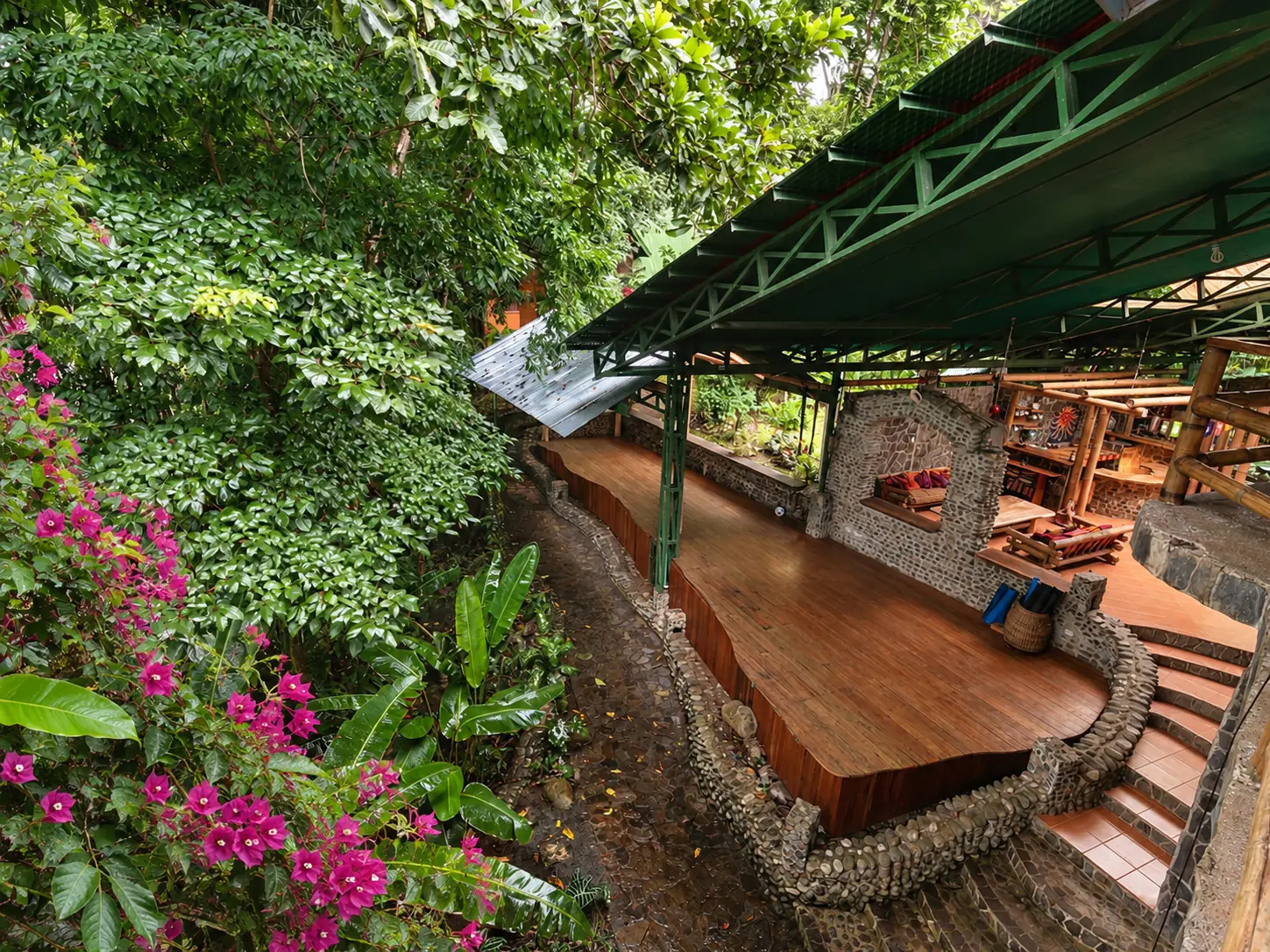
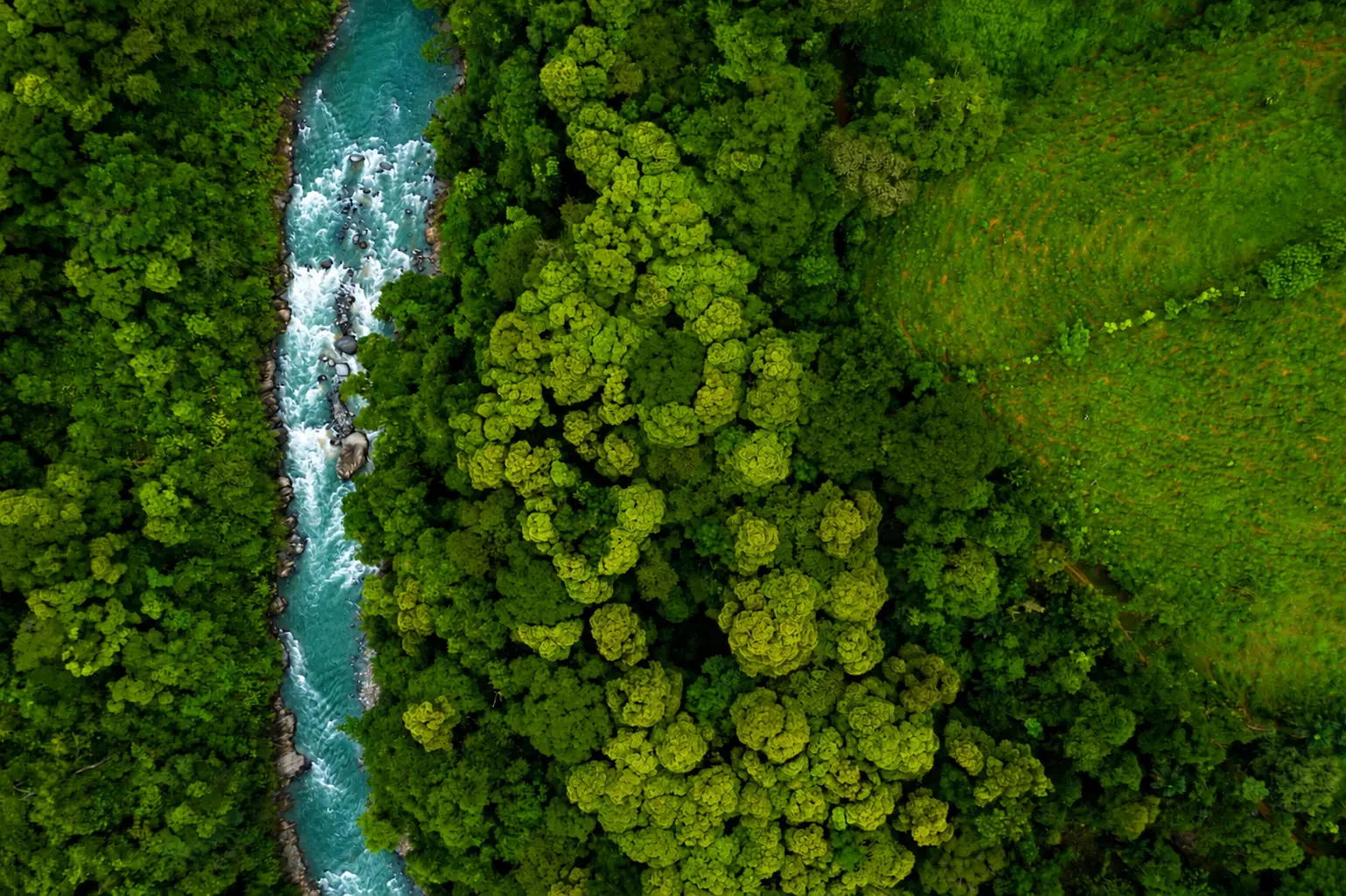
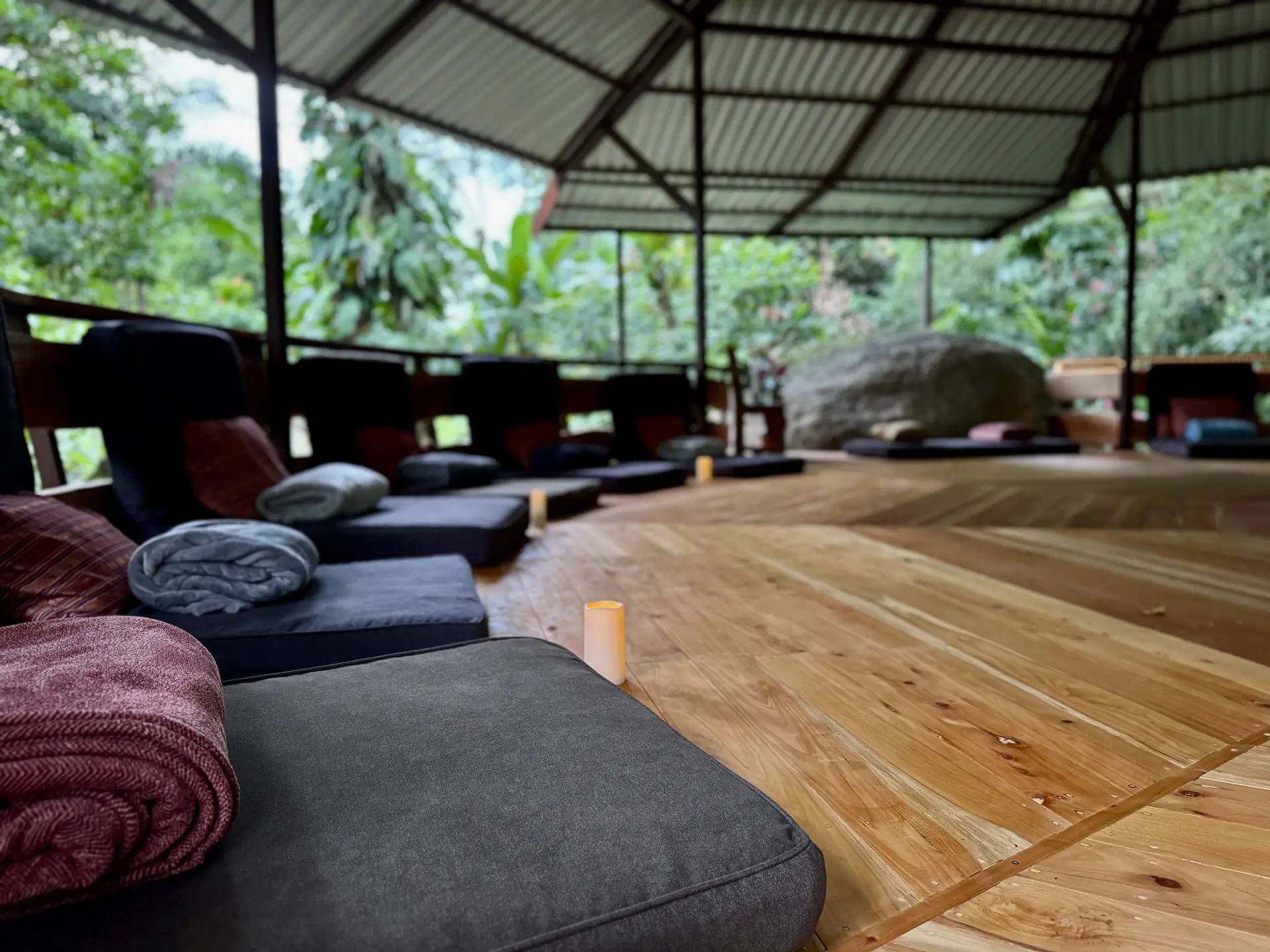
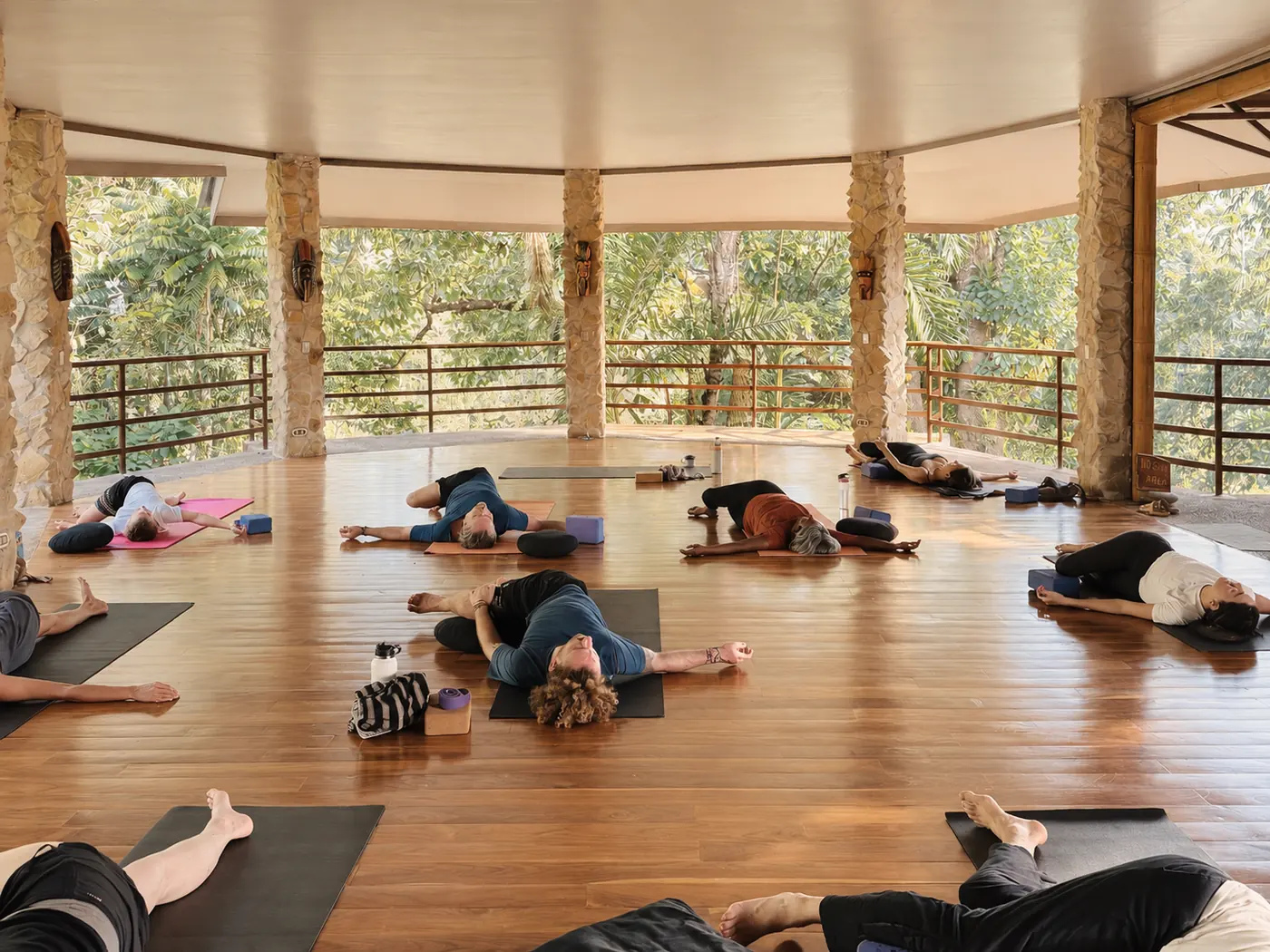
Posada Natura is a family-owned rainforest sanctuary on the Naranjo River, eight miles from Manuel Antonio. Retreat leaders have exclusive use of riverside casitas, a private bungalow and neighboring suites, with space for up to 40 guests. Practice spaces include an upstairs open-air yoga shala for 40, an octagon fire temple for 30 and gathering lounges, and the kitchen serves three fresh, family-style meals a day. Excursions include waterfalls, rafting, horseback riding, bodywork and Manuel Antonio beach days.
Every retreat hosted here also supports Eco Era's protection of more than 10,000 acres of primary rainforest and watershed in the Cerro Nara mountains, a story many leaders share with their participants.
Explore hosting at Posada NaturaTour the facilities and accommodationsSchedule a free discovery call